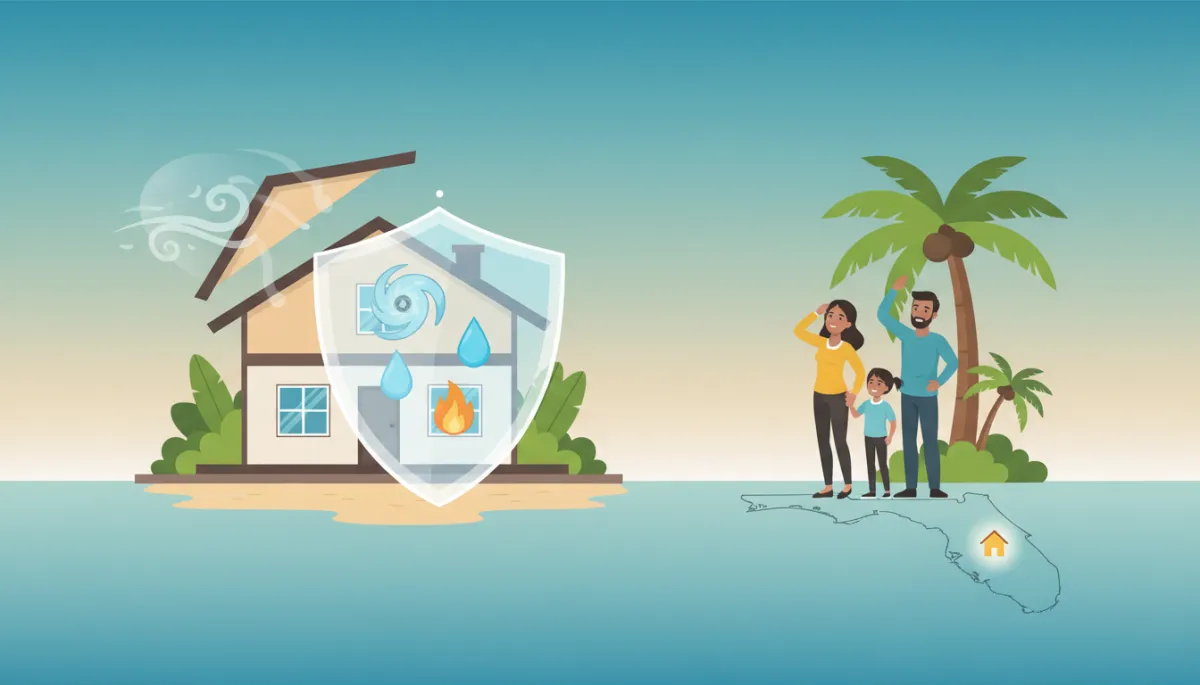
Florida Home Insurance Coverage Guide
Home Insurance, Florida, Coverage Guide
What Does Home Insurance Cover in Florida?
Understanding what your home insurance actually covers in Florida can feel confusing, especially with hurricanes, flooding, and rising rates in the news. This guide breaks down, in plain language, what a standard Florida home insurance policy typically includes, what it usually excludes, and how to spot important options and gaps before you need to file a claim.
The Basics: What a Standard Florida Homeowners Policy Is Designed to Cover
Most Florida homeowners carry an HO-3 policy, which is a common type of home insurance across the United States. It is built around four main protection areas:
Your home’s structure (also called dwelling coverage)
Other structures on your property (sheds, fences, detached garages)
Personal belongings (furniture, clothing, electronics, and more)
Liability and additional living expenses if you cannot stay in your home after a covered loss
In Florida, these basic protections work the same way they do in other states, but the risks you face are different. Hurricanes, windstorms, and water damage are front and center, which is why it is so important to understand how your policy treats each of these threats.
Dwelling Coverage: Protecting the Structure of Your Florida Home
Dwelling coverage pays to repair or rebuild the physical structure of your home if it is damaged by a covered peril. In Florida, a standard policy typically covers damage from:
Fire and smoke
Wind and hail (including hurricanes, subject to special deductibles)
Lightning strikes and power surges that cause damage inside the home
Explosions, vandalism, and certain types of accidental damage
Dwelling coverage usually includes built-in components such as your roof, walls, floors, built-in cabinets, plumbing, electrical systems, and central air conditioning. If a hurricane tears off shingles or wind-driven rain soaks your ceilings, this is typically where the coverage comes from, after you pay your deductible.
💡 Pro Tip: In Florida, your dwelling limit should reflect the cost to rebuild your home today, not what you originally paid for it or what you could sell it for. Construction costs, not real estate prices, drive claims.
Other Structures: Fences, Sheds, and Detached Garages
Most policies automatically include coverage for other structures on your property, usually around 10% of your dwelling limit. This part of your policy helps pay for damage to:
Fences and gates
Detached garages or carports
Storage sheds and small outbuildings
If hurricane winds knock down your fence or send a tree crashing into your detached garage, this portion of your coverage would typically respond, again subject to the same covered perils and hurricane deductibles that apply to the main structure.
Personal Property: What’s Covered Inside Your Florida Home
Personal property coverage protects your belongings, whether they are damaged at home or sometimes even away from home. This typically includes:
Furniture, rugs, and decor items
Clothing, shoes, and personal accessories
Electronics, such as televisions, laptops, and gaming systems
Small appliances and household items
If a covered peril—like a fire or hurricane wind—damages or destroys your belongings, your insurer will help pay to repair or replace them, up to your personal property limit. In Florida, many homeowners choose replacement cost coverage, which pays what it costs to buy a new item today, instead of the depreciated “yard sale” value.

Taking a quick home inventory helps you match personal property limits to real-life belongings.
📌 Key Takeaway: High-value items like jewelry, artwork, and collectibles often have special limits. In Florida, you may need separate riders or endorsements to fully protect them from theft or loss.
Liability Coverage: Protection If Someone Is Hurt or You’re Sued
Home insurance in Florida also includes personal liability coverage, which is about protecting your finances if someone claims you caused injury or property damage. It generally covers:
Medical bills if a guest is injured on your property and you are legally responsible
Legal defense costs if you are sued over a covered incident
Settlements or judgments, up to your liability limit
For example, if a visitor slips on your wet pool deck or trips over a loose paver on your front walk, liability coverage can step in. Because medical and legal costs can be high, many Florida homeowners choose limits of $300,000 or more, and some add an umbrella policy for extra protection.
Additional Living Expenses: When You Can’t Stay in Your Home
If a covered loss makes your home unlivable—for example, after a major fire or severe hurricane damage—your policy usually includes loss of use or additional living expenses (ALE). This can help pay for:
Temporary housing, such as a hotel or short-term rental
Extra food and transportation costs above your normal spending
Laundry, storage, and other necessary expenses while repairs are underway
In a state where hurricane evacuations and extended repair timelines are common, ALE can be a financial lifeline. The coverage is usually limited to a percentage of your dwelling coverage or a set dollar amount, so it is worth checking the details in your policy.
Hurricane and Windstorm Coverage: What’s Different in Florida?
One of the biggest questions Florida homeowners ask is whether their policy covers hurricanes. The answer is usually yes—but with important conditions. Most Florida home insurance policies cover hurricane and wind damage to your home and belongings, but they apply a separate hurricane deductible, which is often a percentage of your dwelling limit (for example, 2% or 5%), not a flat dollar amount.
This means that if your home is insured for $400,000 and you have a 2% hurricane deductible, you would pay the first $8,000 of covered hurricane damage out of pocket before your insurance pays. Non-hurricane claims, like a kitchen fire, would use your standard deductible instead, which might be much lower.
⚠️ Warning: Some policies may treat windstorm coverage differently for homes near the coast, or may require shutters or impact-resistant windows. Always confirm how wind and hurricane coverage apply to your specific address.
What Home Insurance in Florida Usually Does Not Cover
Just as important as knowing what is covered is understanding what is typically excluded. Standard Florida home insurance policies usually do not cover:
Flooding from rising water, storm surge, or overflowing lakes and canals (this generally requires separate flood insurance through the NFIP or a private insurer)
Routine wear and tear, maintenance issues, or gradual deterioration such as old roofs simply wearing out
Damage from pests like termites, rodents, or mold that develops over time rather than from a sudden event
Earth movement, including sinkholes, unless you add specific coverage (Florida has unique rules for sinkhole and “catastrophic ground cover collapse” coverage)
Many homeowners are surprised to learn that flood damage is not the same as water damage. If wind rips off part of your roof and rain pours in, that is usually covered. But if storm surge or rising canal water enters your home from the ground up, that is considered a flood and is generally excluded from your standard policy.
Optional Add-Ons and Endorsements Florida Homeowners Should Consider
Because Florida faces unique risks, many homeowners choose to customize their coverage with endorsements or separate policies. Some common options include:
Flood insurance: Essential for coastal and low-lying areas, and increasingly recommended even for moderate-risk zones.
Water backup coverage: Helps if a backed-up drain or sewer line causes water damage inside your home.
Extended replacement cost: Adds a cushion above your dwelling limit if rebuilding costs spike after a major storm season.
Ordinance or law coverage: Helps pay for upgrades required to meet current building codes during repairs.
These options can significantly change how well your policy performs after a loss. In a state where codes are updated frequently and rebuilding costs can soar after a big storm, they are worth a careful look.
How to Quickly Check What Your Own Florida Policy Covers
Every insurer and policy is slightly different, so the best way to know what your home insurance covers in Florida is to review your own documents. A simple checklist can help:
Look at your declarations page for your dwelling, personal property, liability, and ALE limits, plus your deductibles (including hurricane).
Scan the section titled “Perils Insured Against” to see what causes of loss are covered for your home and your belongings.
Read the exclusions section carefully, paying attention to flood, earth movement, wear and tear, and mold.
Note any endorsements or riders listed—these are add-ons that change or expand your coverage.
💡 Pro Tip: Bring your policy to a licensed Florida insurance agent once a year, ideally before hurricane season. A 20-minute review can highlight gaps, outdated limits, or discounts you might be missing.
Final Thoughts: Turning Fine Print into Peace of Mind
Home insurance in Florida is more than a line item in your budget—it is a key part of protecting your biggest investment in a state where weather can change quickly. A standard policy generally covers your home’s structure, other structures, belongings, liability, and extra living expenses after a covered loss. It usually includes hurricane and wind damage, but with special deductibles and conditions you need to understand before a storm is on the radar.
At the same time, standard policies typically do not cover flooding from rising water, long-term maintenance issues, or every type of ground movement. That is why many Floridians pair their home insurance with flood coverage and carefully chosen endorsements that reflect their location, home features, and budget.
When you take a little time to understand what your policy covers—and just as importantly, what it does not—you are in a much stronger position to choose the right limits, add the right options, and avoid surprises at claim time. In a hurricane-prone state like Florida, that knowledge can make the difference between a stressful setback and a manageable recovery.
