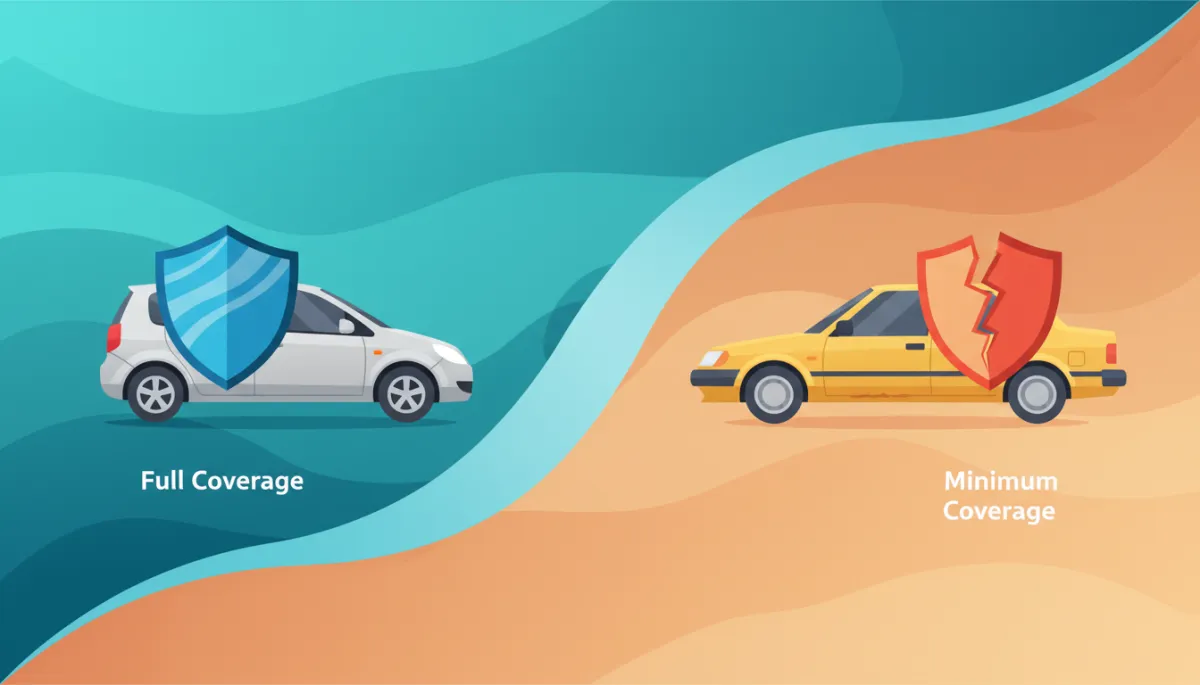
Full vs Minimum Auto Insurance in Florida
Auto Insurance, Florida Drivers, Full Coverage, Minimum Coverage
Full Coverage vs Minimum Coverage Auto Insurance in Florida: What Consumers Need to Know
Choosing between full coverage and minimum coverage auto insurance in Florida can feel confusing, especially for everyday drivers who just want the right protection at a fair price. This guide breaks down how each option works, what Florida law requires, and how to decide what makes sense for you as an individual consumer.
What “Minimum Coverage” Means in Florida
When people talk about minimum coverage auto insurance, they usually mean the lowest amount of insurance required by state law to legally drive. In Florida, those minimums are different from many other states because Florida is a no-fault state. That means your own policy generally helps pay for your medical bills after a crash, regardless of who caused it, up to the limits you choose.
For most Florida drivers, the legal minimum auto insurance typically includes:
Personal Injury Protection (PIP): At least $10,000 to help cover your medical expenses and certain lost wages after a crash, regardless of fault.
Property Damage Liability (PDL): At least $10,000 to pay for damage you cause to someone else’s vehicle or property.
These are the basic protections that allow you to register and drive your car in Florida. However, minimum coverage does not pay to repair or replace your own vehicle after an at-fault crash, and it may not be nearly enough if you cause a serious accident with high medical or property damage costs. For many individuals and families, that gap can be financially devastating.
📌 Key Takeaway: Florida’s minimum coverage is designed to meet legal requirements, not to fully protect your finances or your vehicle.
What “Full Coverage” Really Includes
Unlike minimum coverage, “full coverage” is not a legal term. It’s a common way consumers describe a policy that protects both their own vehicle and their liability to others. In Florida, full coverage usually means you have:
Collision coverage: Helps pay to repair or replace your car if it’s damaged in a crash, regardless of who is at fault, up to the value of the vehicle minus your deductible.
Comprehensive coverage: Covers non‑crash damage, such as theft, vandalism, fire, falling objects, or storm damage—important in a hurricane‑prone state like Florida.
Higher liability limits: Liability coverage for injuries and property damage you cause others, generally above the bare minimum, to help protect your savings and assets.
Many full coverage policies in Florida also add optional protections like uninsured/underinsured motorist coverage and medical payments coverage. These can be especially valuable in a state where a significant number of drivers carry only minimum coverage—or no insurance at all. For consumers, full coverage is about building a safety net around your car and your personal finances, not just complying with the law.
Florida-Specific Risks Every Driver Should Consider
Living and driving in Florida comes with unique risks that affect how much auto insurance coverage you may want as an individual consumer. These include:
Severe weather and hurricanes: High winds, flooding, and falling debris can cause serious damage to your car even when it’s parked. Only comprehensive coverage helps with these kinds of losses.
High traffic and tourism: Busy highways, vacation traffic, and unfamiliar drivers increase the chance of accidents, especially in metro areas like Miami, Orlando, Tampa, and Jacksonville.
Uninsured and underinsured drivers: A notable portion of Florida drivers have little or no coverage. If they hit you, your own policy may be your only real protection.

Florida’s mix of heavy traffic and severe weather makes coverage choices especially important.
Because of these factors, the true cost of carrying only minimum coverage in Florida can be much higher than the monthly premium suggests. A single storm‑related loss or serious crash could easily exceed the basic limits, leaving you personally responsible for the difference.
Cost vs Protection: How the Two Options Compare
For most consumers, the main reason to choose minimum coverage is price. Minimum policies typically have the lowest monthly premiums because they offer the least protection. Full coverage policies cost more because the insurance company is taking on greater risk—your car, higher liability limits, and additional protections. The real question isn’t just “How much does it cost?” but “What am I getting for what I pay?”
With minimum coverage, you may save money each month but face large out‑of‑pocket costs after an accident, especially if your car is newer or financed.
With full coverage, you pay more now but gain peace of mind that a major crash or storm is less likely to derail your budget or savings.
💡 Pro Tip: Ask your insurer for quotes at different coverage levels and deductibles. Sometimes raising your deductible slightly can make full coverage surprisingly affordable.
When Minimum Coverage Might Be Enough for a Florida Driver
Minimum coverage is not automatically a bad choice. For some individuals, it can be a reasonable short‑term solution, especially when money is tight. You might consider minimum coverage if:
You drive an older car with a low market value that you could afford to repair or replace yourself if necessary.
You rarely drive, mostly on local roads, and you’re comfortable accepting more financial risk in exchange for lower premiums.
You are rebuilding your budget or credit and need a temporary way to stay legal on the road while you work toward better coverage.
Even in these situations, it’s wise to ask whether slightly higher liability limits or add‑ons like uninsured motorist coverage could protect you from the most serious financial shocks without dramatically increasing your bill. Minimum doesn’t have to mean “bare bones” if you can add one or two key protections that fit your budget.
When Full Coverage Is the Smarter Choice
For many Florida consumers, full coverage offers a much better balance of risk and protection. You should strongly consider full coverage if any of the following apply to you as an individual driver:
Your car is financed or leased. Most lenders and leasing companies require collision and comprehensive coverage until the vehicle is paid off, because they want to protect their investment.
Your vehicle is newer or valuable. If replacing your car out of pocket would seriously strain your finances, full coverage can act as a financial safety net.
You rely heavily on your car. Commuting to work, driving kids, or caring for family members often means you can’t easily go without a vehicle after an accident.
You have savings or assets to protect. Higher liability limits help shield your bank accounts, home equity, and future wages if you’re sued after a serious crash.
In a state like Florida—where storms, traffic, and medical costs can all be unpredictable—full coverage often provides the kind of security that many individuals and families find worth the added premium. It’s about protecting not just your car, but your lifestyle and long‑term financial goals.
How to Choose the Right Coverage Level for You
Deciding between full coverage and minimum coverage auto insurance in Florida comes down to your personal situation as a consumer. When you review quotes or talk with an agent, consider these questions:
What is my car worth today? Compare the cost of full coverage to the current value of your vehicle. For very old, low‑value cars, paying for collision and comprehensive may not make sense.
Could I afford to replace my car out of pocket? If the answer is no, full coverage becomes more attractive, especially in a high‑risk environment like Florida.
How much risk am I comfortable taking? Some individuals prefer lower monthly bills and are willing to accept more financial risk. Others value peace of mind and are willing to pay more for broader protection.
Do I have an emergency fund? Savings can help you handle smaller repairs or deductibles, but they can disappear quickly after a major loss if your coverage is too low.
It can also help to get quotes from more than one insurer and ask them to walk you through how each coverage level would respond in a real‑world Florida scenario—such as a hurricane‑damaged vehicle, a multi‑car collision on I‑95, or a hit‑and‑run with an uninsured driver. Seeing the numbers side by side makes the trade‑offs clearer.
Final Thoughts for Florida Consumers
Auto insurance isn’t just another bill—it’s a key part of your financial safety plan as a Florida driver. Minimum coverage may satisfy the law, but it often leaves large gaps that can fall directly on your shoulders after a serious accident or storm. Full coverage, on the other hand, is designed to help protect both your vehicle and your long‑term financial health, especially in a state with Florida’s unique mix of weather, traffic, and medical costs.
As an individual consumer, the best choice is the one that matches your car’s value, your budget, and your comfort with risk. Take time to compare options, ask questions, and adjust your coverage as your life changes—whether you buy a new car, move to a different part of Florida, or add a teen driver to your policy. A thoughtful decision today can save you thousands of dollars and a great deal of stress down the road.
